
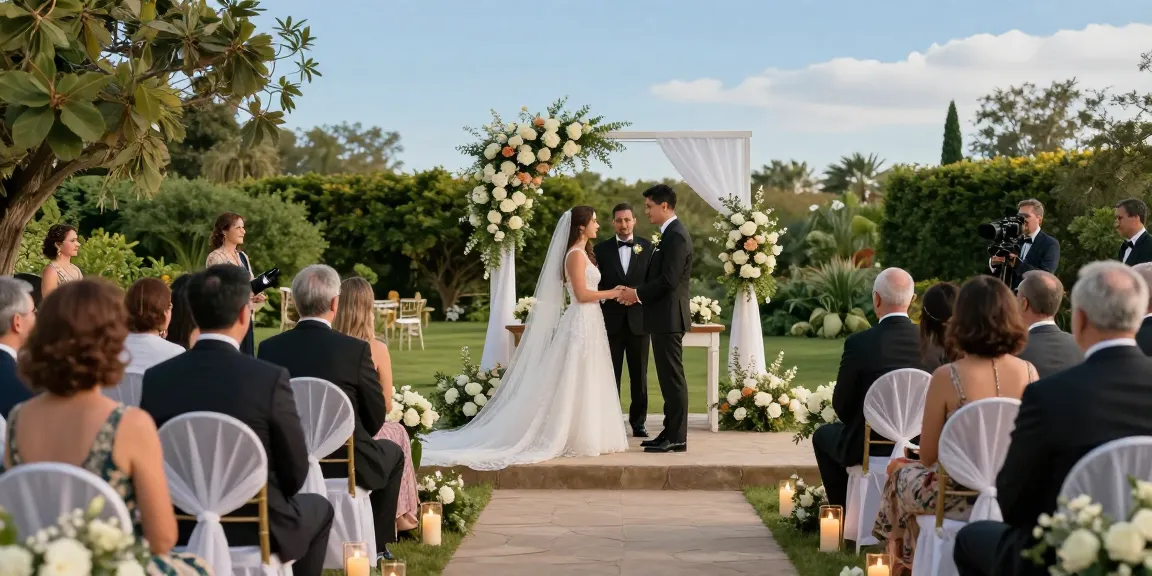
Understanding the Importance of Choosing Religious Wedding Venues
Choosing a venue for your religious wedding is more than a simple decision; it is a pivotal aspect of the entire wedding planning process. The venue sets the tone for the day, influencing both the atmosphere and the emotions experienced by the couple and their guests. A thoughtfully selected venue resonates with the couple’s beliefs, cultural backgrounds, and the sacredness of the marriage ceremony. When exploring options, https://bluevenues.com provides comprehensive insights into suitable locations that marry aesthetics with spiritual significance.
Why Venue Selection Matters in Religious Weddings
The venue plays a crucial role in shaping the experience of a religious wedding. It is where families unite to witness the sacred union, and a well-chosen venue amplifies the reverence of the moment. The right setting allows couples to express their values and beliefs, whether through grandeur or simplicity, modernity or tradition. A sacred space fosters a sense of belonging and connection.
Cultural Significance of Religious Venues
Religious venues often carry historical and cultural weight that enhances the overall experience of the wedding. For many, the church, temple, or mosque where the ceremony takes place holds personal significance, often linked to family traditions. These locations not only serve as a backdrop for the vows but also embody the faith and values of the couple. Incorporating elements of the couple’s cultural heritage into the venue selection will yield a ceremony filled with deeper meaning.
Creating Lasting Memories through Meaningful Locations
The memories forged at a wedding will last a lifetime, and the venue significantly impacts the creation of those memories. From the first glimpse of the beautifully decorated altar to the joyous celebrations that follow, each moment is anchored to the chosen location. By selecting a venue that resonates with their personal journey, couples can ensure that their wedding day is not only a celebration of love but also a remembrance of their faith and values.
Top Religious Wedding Venues for Your Special Day
Modern vs. Traditional Venue Options
The choice between modern and traditional wedding venues is often dictated by personal style, cultural background, and the type of ceremony desired. Modern venues such as contemporary chapels or event spaces can provide a sleek, stylish backdrop, while traditional settings like historical churches or temples offer a sense of timelessness and connection to heritage. Each option has its own set of advantages, and understanding the couple’s preferences is key to making the right choice.
Evaluating Venue Amenities and Features
When selecting a venue, it is crucial to evaluate the amenities and features that accompany it. Couples should consider factors such as accommodation options, parking availability, accessibility for guests, and the presence of necessary facilities like restrooms and catering areas. Additionally, examining the venue’s technical capabilities—like audio-visual equipment—can enhance the ceremony experience, particularly for larger weddings where clear communication is essential.
How to Choose the Right Size for Your Guest List
Determining the appropriate size of the venue is essential to ensure comfort and create an inviting atmosphere. Couples should develop a preliminary guest list before venue shopping to understand the space requirements. An overly large venue can feel empty, while a space that is too small can lead to discomfort. Finding the sweet spot is crucial for making the day enjoyable for everyone involved.
Planning the Perfect Ceremony: Tips and Best Practices
Coordinating Logistics for Religious Ceremonies
Successful logistics coordination is vital in planning a religious wedding ceremony. It involves timing the procession, managing guest arrivals, and ensuring that all essential elements—such as officiants, music, and vows—are perfectly timed. Detailed planning and communication with the venue staff can alleviate stress on the day of the ceremony and contribute to a seamless experience.
Incorporating Personal Touches for Couples
Adding personal touches to a religious wedding venue can significantly enhance the experience for guests and create lasting memories. This may include custom decorations, personal vows, or symbolic rituals that are meaningful to the couple. Incorporating family traditions into the ceremony can also add a layer of significance, making the day feel unique and tailored to the couple’s journey.
Ensuring Comfort for Guests During the Ceremony
Comfort should be a priority for all wedding guests. From temperature control to seating arrangements, every detail counts. Couples should consider the needs of elderly guests, children, and those with mobility issues. Providing amenities such as water stations or small blankets can go a long way in ensuring that everyone feels comfortable and cared for throughout the ceremony.
Trends in Religious Wedding Venues for 2026
Emerging Popular Destinations and Styles
The landscape of wedding venues is continually evolving, and 2026 is no exception. Couples are increasingly drawn to unique locations, such as vineyards, botanical gardens, and beachside chapels. These venues combine natural beauty with architectural elegance, offering stunning backdrops that resonate with the sacredness of the event.
Eco-Friendly and Sustainable Venue Choices
As sustainability becomes a priority for many couples, eco-friendly venues are gaining popularity. These venues may offer sustainable practices such as zero-waste catering, eco-conscious decor, or renewable energy options. Choosing a venue that aligns with the couple’s values can enhance the overall experience and leave a positive impact on the environment.
Technological Innovations Enhancing Wedding Experiences
Technological advancements are reshaping the way weddings are celebrated. Many venues now offer live streaming services, allowing distant friends and family to partake in the ceremony. Online planning tools and apps are also revolutionizing logistical coordination, making it easier for couples to manage their wedding day seamlessly.
Frequently Asked Questions about Religious Wedding Venues
What are the key considerations when selecting a venue?
When selecting a venue, couples should consider factors such as location, size, availability, amenities, and the venue’s ability to accommodate their specific religious requirements. It’s also important to visit the venue in person and visualize how it aligns with the wedding vision.
How can we personalize a religious wedding venue?
Personalization can come in many forms, from custom decor that reflects the couple’s style to incorporating meaningful rituals into the ceremony. Additionally, couples may wish to include personal vows or select music that resonates with their love story.
What should we look for in terms of accessibility?
Accessibility is crucial for ensuring all guests can participate fully in the ceremony. This includes considering wheelchair access, available parking, and proximity to accommodations. Couples should discuss their accessibility needs with venue managers to ensure a satisfactory experience for all attendees.
How far in advance should we book our venue?
Typically, couples should aim to book their wedding venue at least 12-18 months in advance, especially for popular locations during peak seasons. Early booking ensures that couples have a wide selection of venues to choose from and can secure their preferred date.
What are common challenges in securing a religious venue?
Common challenges include availability issues, especially for popular dates, as well as the constraints of budget restrictions. Couples may also face limitations based on venue rules regarding decorations, catering services, or religious requirements. It’s important for couples to communicate clearly with venue coordinators to ensure a successful event.

